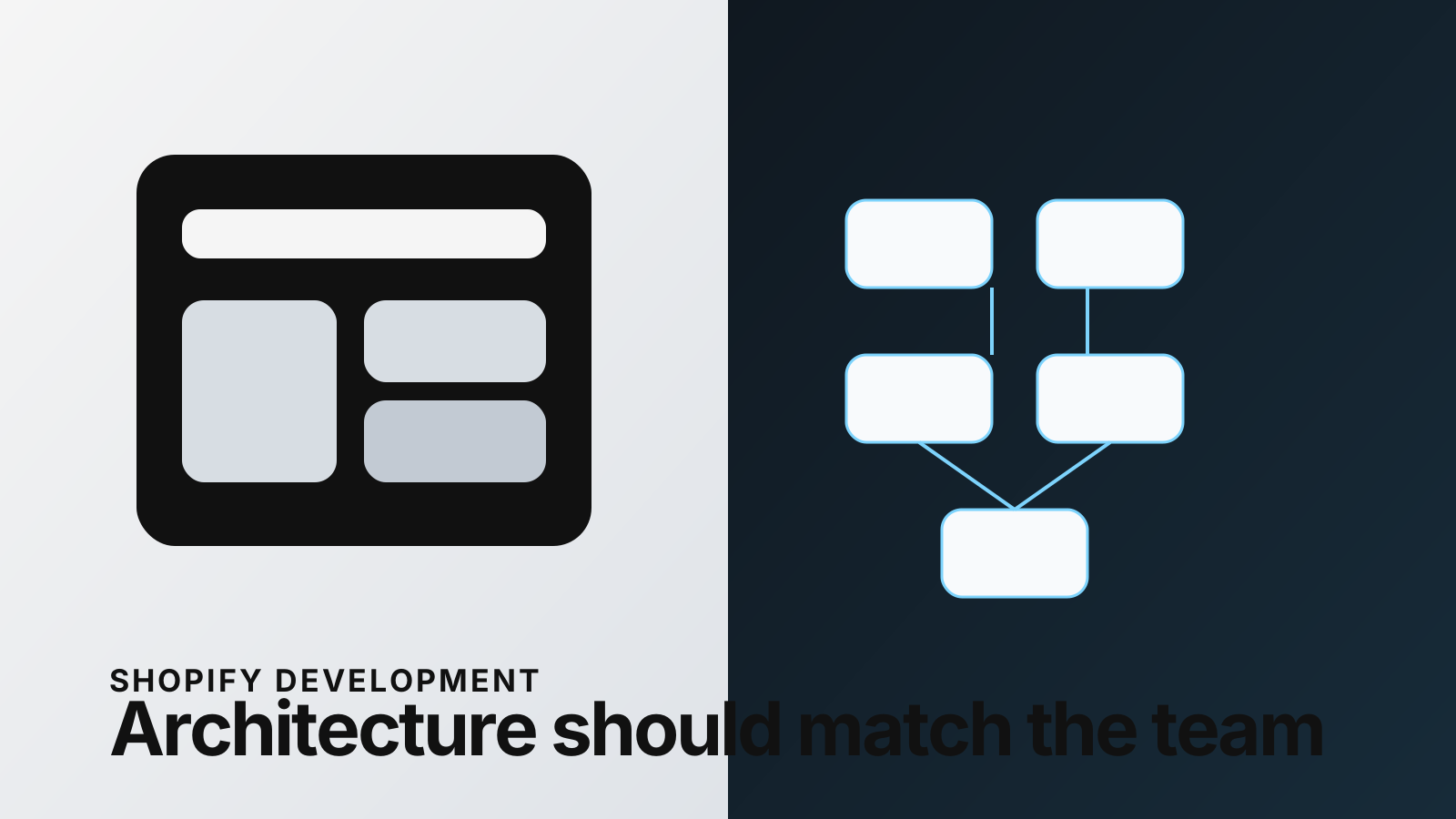
Headless commerce still carries status in some circles because it sounds like technical ambition. Ambition and fit are different things. Plenty of brands go headless before their team, content model or release process is ready for the complexity that arrives with it.
The decision is operational before it is technical
A Shopify theme keeps merchandising close to the storefront and keeps routine changes cheap. Headless gives you more control and cleaner separation, and it adds moving parts between an idea and a live page. That trade can be worth making. It is not worth making by default.
Theme architecture usually wins when
- ✓The brand reworks merchandising and campaign layouts often
- ✓Marketers need to ship edits without an engineer in the loop every time
- ✓Speed, cost and simple operations matter more to you than total frontend freedom
- ✓The current growth bottleneck is conversion and clarity rather than platform capability
Headless starts to make sense when
- ✓Several channels or interfaces read from the same commerce backend
- ✓The product model or the content relationships are too tangled for a standard theme setup
- ✓You have a mature engineering function that can own deployment, observability and performance
- ✓The business has a roadmap that genuinely uses the extra flexibility
Most brands do not lose growth by staying on a theme too long. They lose it by taking on architecture before they have the operating discipline to run it well.
"The best architecture is the one your team can actually operate at speed."
— Robin Singh, Thought Bulb
If you are weighing a headless move, write down the capabilities you cannot deliver in a modern Shopify theme. If that list comes out vague, you probably do not need headless yet.